



From ancient strategic battles to modern family pastimes, board games have captivated human minds for centuries. These games of strategy, skill, and sometimes luck, offer more than just entertainment—they are mental workouts, social connectors, and cultural treasures. Let's explore some of the world's most popular and enduring board games.
1. Chess: The Ultimate Battle of Wits
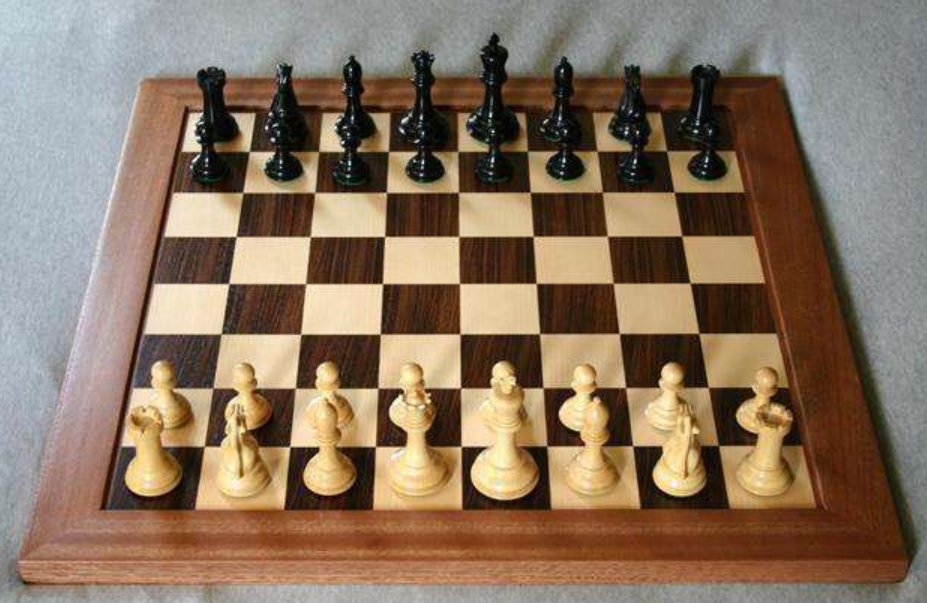
Often called the "Game of Kings," chess is a timeless two-player strategy game with origins tracing back to 6th-century India. Played on a 64-square checkered board, each player commands an army of 16 pieces: one king, one queen, two rooks, two bishops, two knights, and eight pawns, each with unique movement rules.
The Core Appeal: Chess is the epitome of pure strategy and foresight. There is no element of luck; victory depends entirely on superior planning, tactical calculation, and psychological insight. The objective is simple—checkmate the opponent's king—but the paths to achieve it are infinite. From lightning-fast blitz games to deep, hours-long classical matches, chess trains logical thinking, pattern recognition, and patience. It is so deeply studied that it has its own extensive theory of openings, middlegames, and endgames, making it a lifelong pursuit for enthusiasts.
2. Go: The Elegant Territory Game
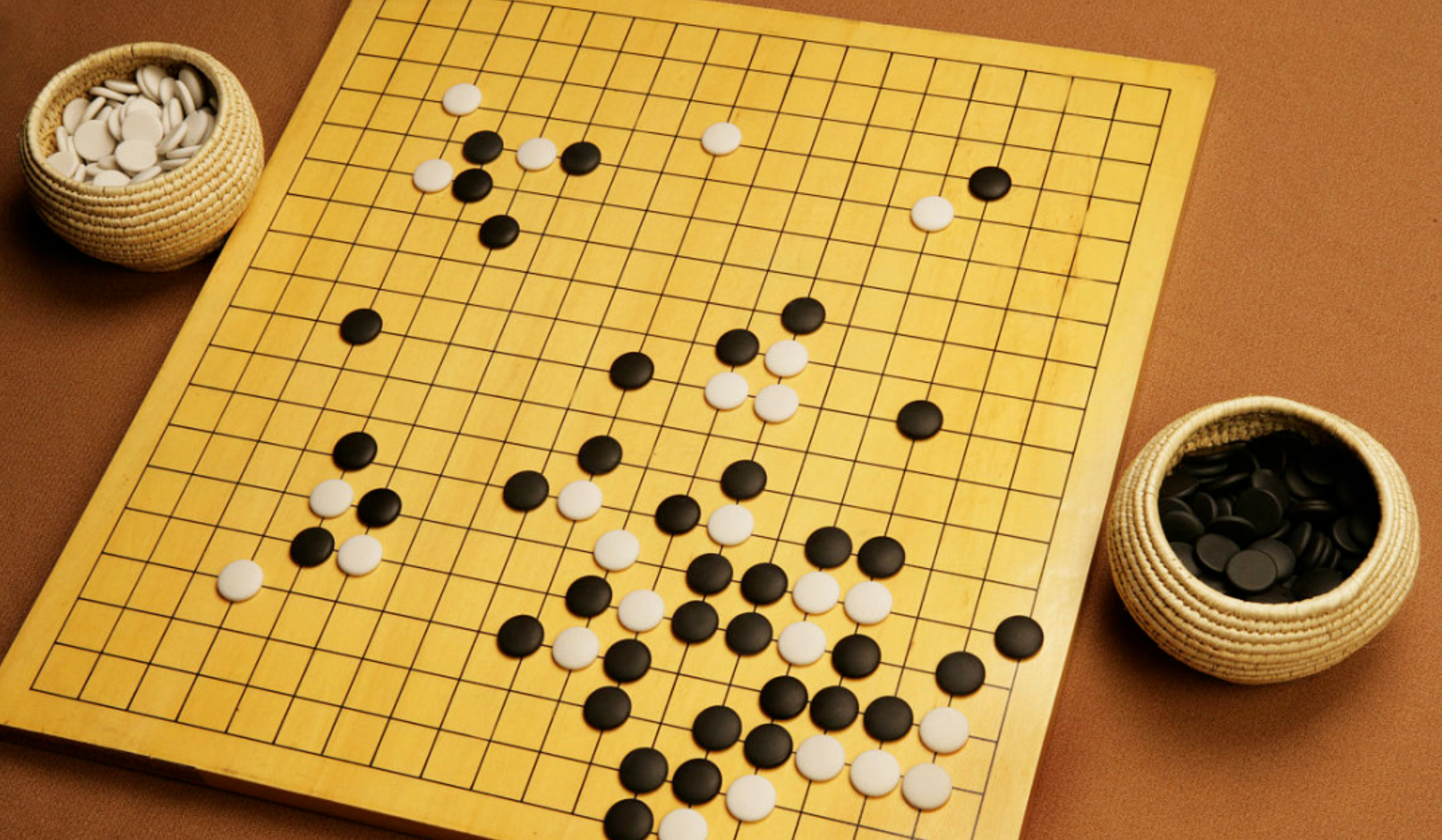
Originating in China over 2,500 years ago, Go is arguably the oldest continuously played board game in the world. Its deceptively simple rules belie a staggering depth. Players take turns placing black or white stones on the intersections of a 19x19 grid (smaller boards are used for beginners).
The Core Appeal: The goal is to surround and control more territory than your opponent. Unlike chess's focus on capturing a single piece, Go is about the holistic balance of influence, stability, and connection across the entire board. Its elegance lies in its minimalism—one rule set governs everything. The strategic concepts are abstract yet profound, emphasizing long-term planning, sacrifice, and living shapes. Its complexity is legendary, with more possible board configurations than atoms in the known universe. Go is not just a game; it's a philosophical art form reflecting concepts of balance and harmony.
3. Xiangqi: The Chinese "Battle Chess"
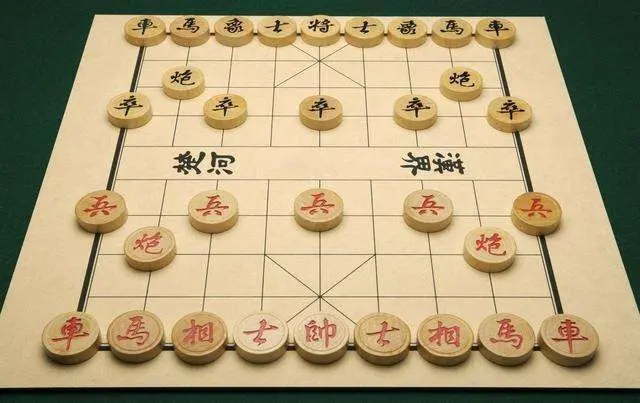
Known as Chinese Chess, Xiangqi is a thrilling and fast-paced cousin of international chess, immensely popular across Asia. It is played on the intersections of a 9x10 board, divided by a "river" in the middle. Each player has an army of 16 pieces, including generals, advisors, elephants, horses, chariots, cannons, and soldiers.
The Core Appeal: Xiangqi is often described as dynamic and tactical. The playing area is more compact than a chessboard, leading to immediate and fierce contact between armies. The unique cannon piece, which must jump over another piece to capture, adds a layer of explosive tactics. The restriction of key pieces to a "palace" creates tense, defensive struggles. Its vibrant, aggressive nature makes it a beloved game in parks and online platforms, where quick, clever combinations are highly prized.
4. Shogi: The Japanese "Chess of Reincarnation"
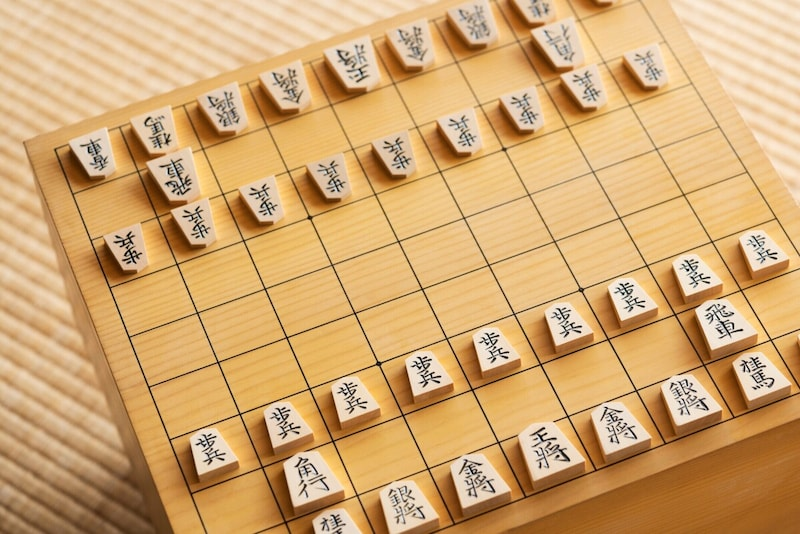
Shogi, or Japanese chess, is famous for its revolutionary rule: captured pieces can be "dropped" back onto the board under the captor's control. This is the game's defining and most exciting feature. Played on a 9x9 board, each player commands 20 flat, wedge-shaped pieces, most of which can promote upon entering the enemy's camp.
The Core Appeal: The drop rule makes Shogi uniquely relentless and complex. There is no safe zone; a captured piece can become an immediate threat anywhere on the board. This leads to a perpetual state of dynamic attack and defense, where material advantage can shift in an instant. Games are rarely drawn, and comebacks are always possible. The constant tension and strategic depth, blending attack, defense, and drop threats, make Shogi a deeply engaging mental marathon.
More Than Just Games
While each of these games—Chess, Go, Xiangqi, and Shogi—has distinct rules and flavors, they share a common power. They are beautifully designed systems that challenge the mind, teach strategic thinking, and offer a universal language of competition and respect. They remind us that on a simple board with a handful of pieces, we can find infinite complexity, profound beauty, and a timeless connection to thinkers across centuries and cultures.
Whether you are drawn to the logical clarity of Chess, the territorial artistry of Go, the rapid-fire battles of Xiangqi, or the dynamic recycling warfare of Shogi, the world of classic board games offers a perfect, lifelong challenge. Why not pick one up and start your journey?