



Christmas is a season of joy, family, and—perhaps most deliciously—cherished culinary traditions. Across the globe, the holiday table becomes a centerpiece of celebration, with each dish carrying stories of history, culture, and shared memory. From sweet treats to savory centerpieces, Christmas foods offer a flavorful journey into the heart of the holiday.
The Main Event: Savory Centerpieces
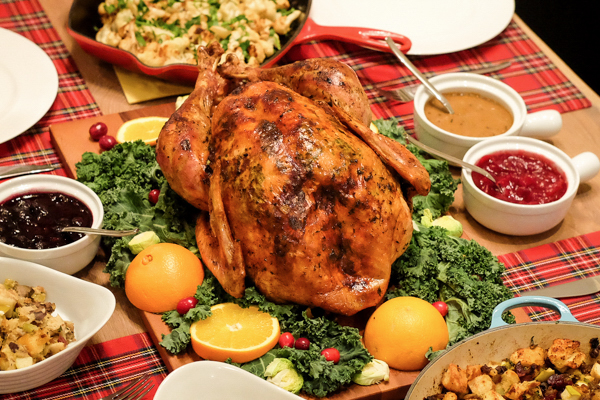
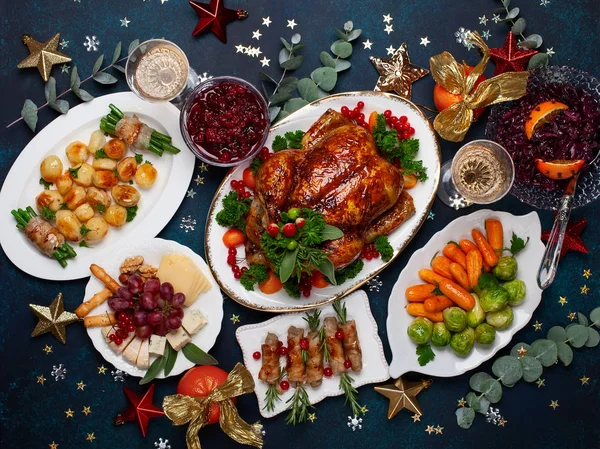
In many Western cultures, the Christmas meal revolves around a show-stopping roast. Roast turkey, stuffed with herbs, chestnuts, and sausage, reigns supreme in the United Kingdom, the United States, and Canada. Its golden, crispy skin and juicy meat make it a festive favorite, often served with rich gravy.
In continental Europe, other roasts take center stage. Italians often celebrate with Vitello Tonnato (cold veal in tuna sauce) or seafood feasts on Christmas Eve. In Germany, Austria, and parts of Eastern Europe, roast goose is a classic, prized for its flavorful, rich dark meat and crispy skin, traditionally served with red cabbage and dumplings. In Sweden, the Christmas table, or julbord, features Christmas ham (julskinka) coated in mustard and breadcrumbs as its crown jewel.
The Supporting Cast: Sides and Stuffing
No Christmas plate is complete without a host of hearty side dishes. Roast potatoes and root vegetables—caramelized in the meat’s drippings—are ubiquitous. Stuffing (or dressing), a savory bread mixture with herbs, onions, and celery, is a must-have for many.
Unique regional sides also abound: the British serve pigs in blankets (small sausages wrapped in bacon) and Brussels sprouts (often with chestnuts or bacon). In the American South, green bean casserole is a mid-century classic. Portuguese and Brazilian celebrations feature bacalhau (salted cod) in various forms on Christmas Eve.
Sweet Endings: Desserts and Bakes
The Christmas dessert table is a wonderland of spices, dried fruits, and nostalgia.
- Christmas Pudding (UK): This dense, steamed pudding, made with suet, dried fruits, and spices, is often prepared weeks in advance. It’s ceremoniously doused in brandy and set alight before serving with brandy butter or custard.
- Bûche de Noël (France): A sponge cake rolled with cream and shaped to resemble a Yule log, decorated with chocolate bark and meringue mushrooms.
- Panettone (Italy): A sweet, airy bread loaf studded with raisins and candied citrus peel, enjoyed with sweet wine or coffee.
- Gingerbread and Cookies: From soft gingerbread men to German Lebkuchen and Swedish pepparkakor, spiced biscuits are baked for gifts, tree decorations, and, of course, eating.
- Fruitcake: A polarizing but traditional treat in many countries, packed with nuts and fruits soaked in spirits.

Global Delights: A World of Flavors
Christmas foods vary beautifully worldwide:
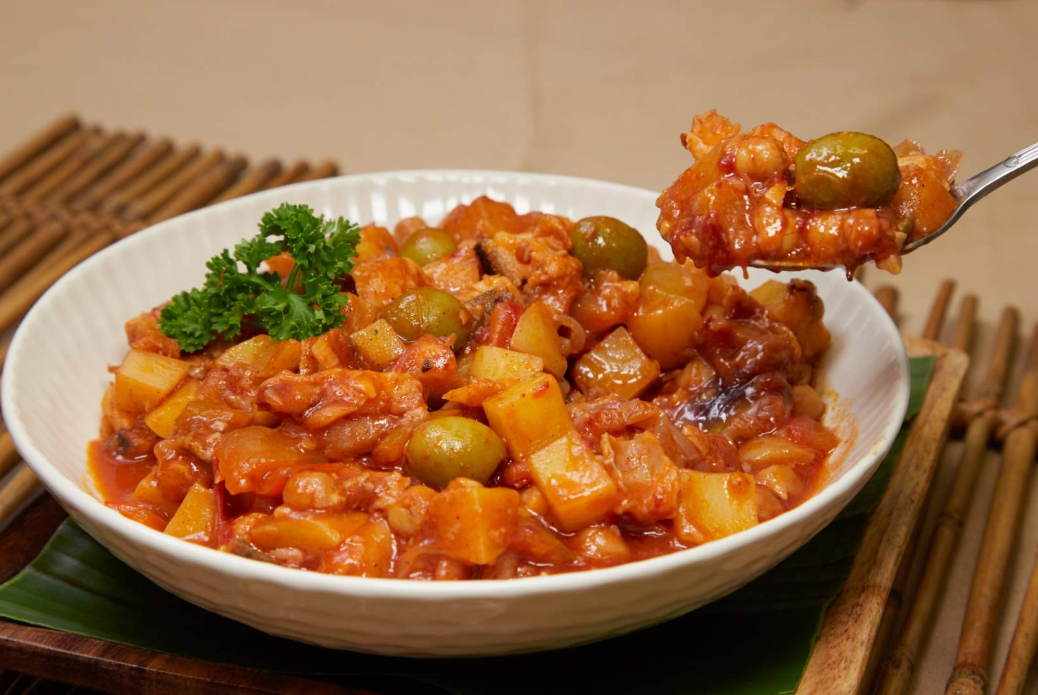
- Mexico: Bacalao a la Vizcaína (salted cod stew) and ponche, a warm fruit punch.
- The Philippines: A late-night feast (Noche Buena) after Christmas Eve Mass, featuring lechón (roast pig), queso de bola (edam cheese), and sweet bibingka (rice cake).
- Japan: In a unique modern tradition, many families enjoy Kentucky Fried Chicken, ordered months in advance, as a celebratory treat.
- Ethiopia: Following a fasting period, the Christmas feast (Ganna) features doro wat (spicy chicken stew) served with injera (sourdough flatbread).
More Than Just a Meal
These foods are more than mere sustenance; they are edible heirlooms. The act of preparing a family recipe, sharing a meal, or leaving out cookies for Santa and carrots for his reindeer, connects us to past generations and creates new memories. The Christmas table, in all its varied glory, is ultimately a place of gathering, gratitude, and shared joy—a delicious reminder of the warmth and love that define the holiday season.
So, as you gather around your table this Christmas, take a moment to savor not just the flavors on your plate, but the rich tapestry of tradition and togetherness they represent.