



For many older adults, games are far more than simple distractions. They are vital tools for cognitive stimulation, social connection, and joyful engagement. These activities offer mental exercise, a sense of community, and a satisfying challenge, all of which contribute significantly to well-being. Here are some of the most beloved games among seniors and the benefits they provide.
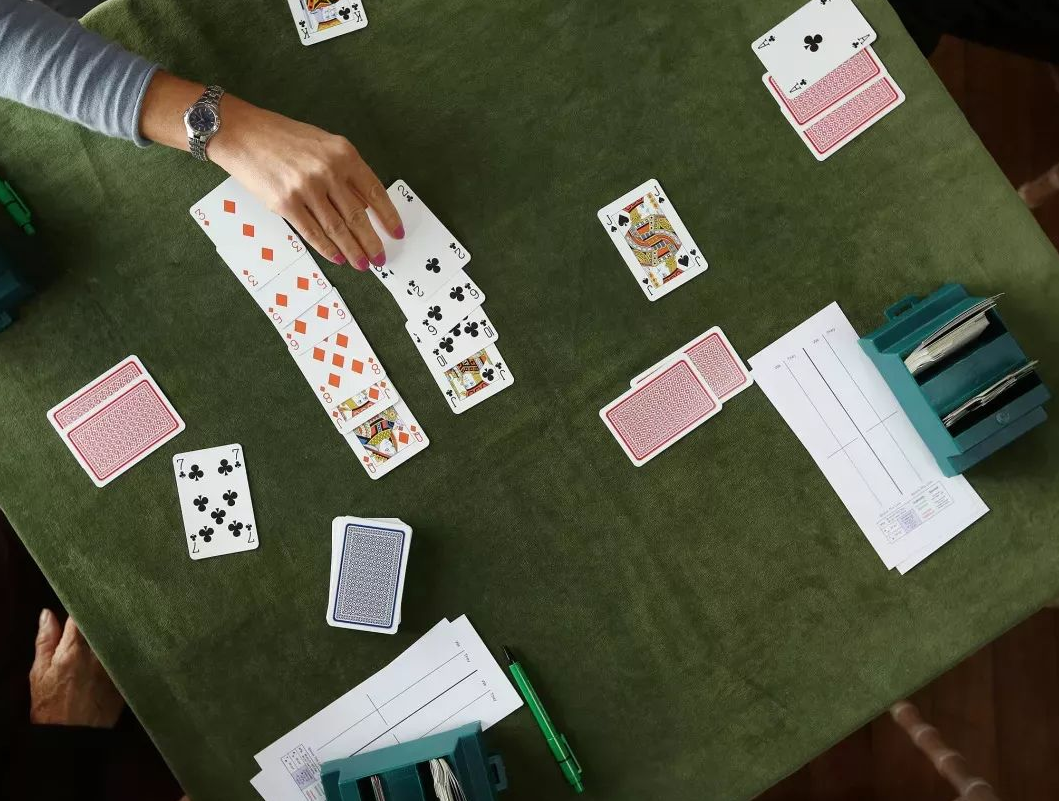
1. Classic Card Games: Social and Strategic
Card games are a cornerstone of senior recreation, combining strategy, memory, and friendly competition.
- Bridge: Often hailed as the "ultimate brain game," Bridge is hugely popular in senior communities. It requires memory, strategic thinking, and partnership, offering deep mental stimulation and a strong social framework through clubs and regular game nights.
- Poker (Five-Card Draw, Texas Hold'em): More than just a game of chance, poker involves probability calculation, reading opponents, and strategic betting, providing an exciting mental workout.
- Rummy (including Gin Rummy and Canasta): These games are excellent for improving memory and pattern recognition. Their rules are easy to grasp but allow for strategic depth, making them perfect for casual afternoons with friends or family.
- Solitaire (Patience): A beloved solo pastime, Solitaire offers a peaceful, focused challenge that can help improve concentration and problem-solving skills.
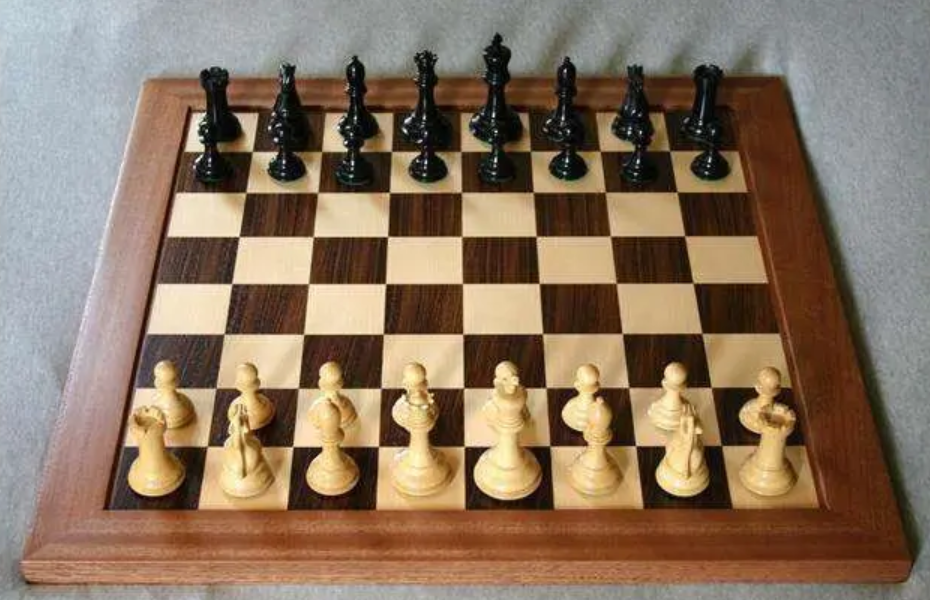
2. Board Games: Tactical and Social
Traditional board games bring people together face-to-face, fostering conversation and tactical thinking.
- Chess & Checkers (Draughts): These timeless classics are phenomenal for strategic planning and foresight. Chess, in particular, is celebrated for enhancing cognitive abilities, memory, and concentration.
- Scrabble & Boggle: Word games are exceptional for keeping the language centers of the brain active. They help maintain vocabulary, spelling skills, and flexible thinking, all while being highly engaging.
- Backgammon: This blend of strategy and luck, with its fast-paced gameplay, is excellent for sharpening quick decision-making and probability assessment.
- Dominoes: A social and tactical game, dominoes involves matching, scoring, and sometimes blocking opponents, providing light strategy and lots of interaction.
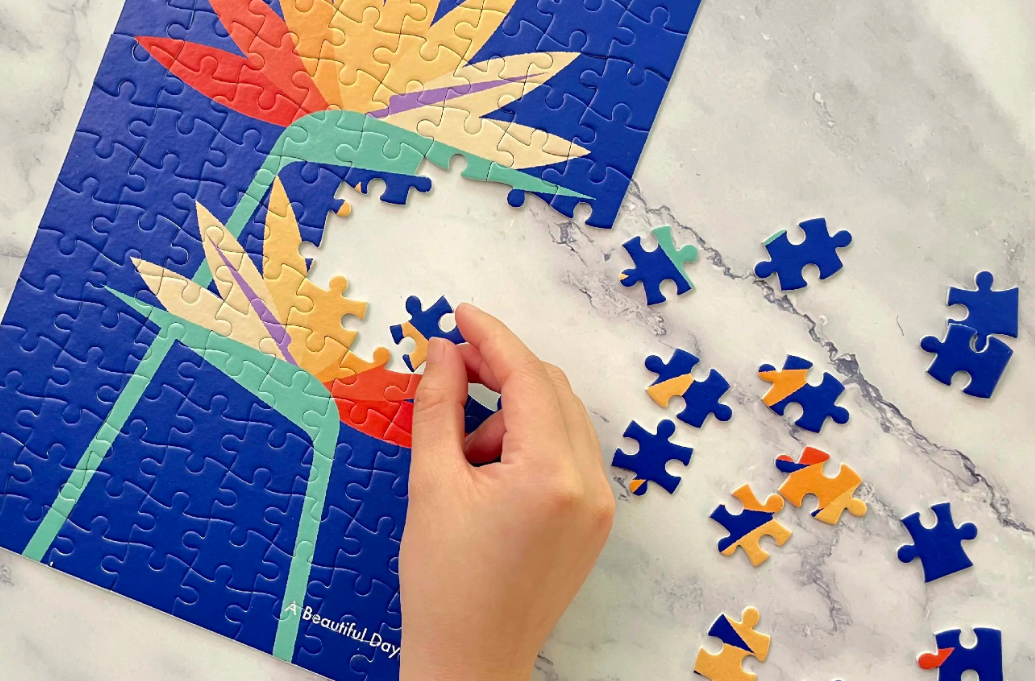
3. Puzzles: The Joy of Piece-by-Piece Accomplishment
Puzzles offer a deeply satisfying, low-pressure cognitive workout that can be done alone or cooperatively.
- Jigsaw Puzzles: The process of finding and connecting pieces to reveal a larger picture is meditative and rewarding. It strengthens visual-spatial reasoning, attention to detail, and short-term memory. Working on a large puzzle as a group is also a wonderful, collaborative social activity.
- Crossword Puzzles: A daily ritual for many, crosswords challenge verbal memory, vocabulary, and general knowledge, helping to keep the mind sharp and engaged.
- Sudoku: This number-placement puzzle is fantastic for logical thinking and concentration without requiring mathematical skill. It’s highly portable and offers a clear sense of achievement upon completion.
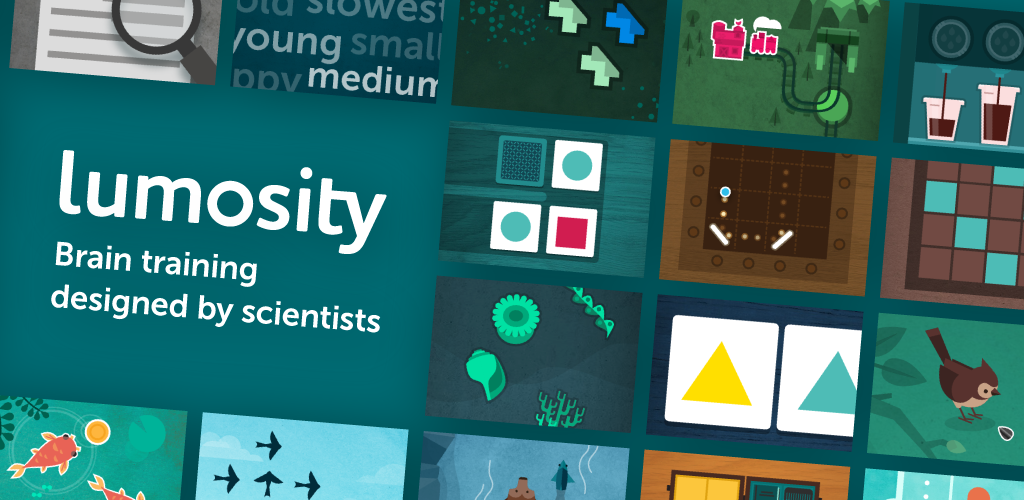
4. Digital & Adapted Games
Technology has opened new avenues for accessible and stimulating play.
- Brain-Training Apps (e.g., Lumosity, Elevate): Many seniors enjoy these apps, which offer short, daily games designed to target specific cognitive skills like memory, processing speed, and problem-solving.
- Online Versions of Classics: Websites and apps allow seniors to play Bridge, Chess, or Word games with friends across the country or against computer opponents, combating isolation.
- Adapted Physical Games: Games like Bocce Ball, Shuffleboard, or Lawn Bowling are extremely popular in retirement communities. They provide gentle physical activity, hand-eye coordination, and plenty of outdoor social interaction. Adapted Bowling with lighter balls and ramps is also a common favorite.
Why Games Matter: More Than Just Play
The appeal of these games goes beyond the rules:
- Cognitive Health: They stimulate neural pathways, improve memory, delay cognitive decline, and enhance problem-solving skills.
- Social Connection: Game nights and clubs are powerful antidotes to loneliness, fostering friendships, laughter, and a sense of belonging.
- Emotional Well-being: Achieving a victory, solving a puzzle, or simply enjoying a shared activity boosts mood, self-esteem, and provides a healthy sense of purpose and routine.
- Stress Relief: Engaging in a familiar, absorbing game can be a wonderful way to relax and focus on the present moment.
In essence, the games cherished by older adults are threads that connect the past with the present, offering fun, friendship, and a vital workout for the mind and spirit. They prove that the desire for playful challenge and connection is truly ageless.