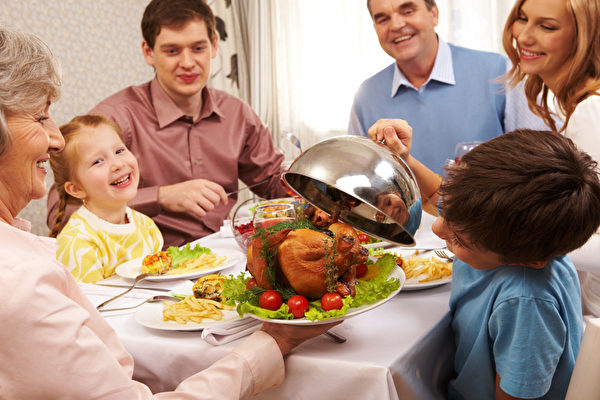



Thanksgiving is one of the most beloved and significant holidays in the United States and Canada. It is a day dedicated to giving thanks for the blessings of the harvest and the preceding year. While the specific dates and some traditions differ, the core spirit of gratitude, family, and feasting remains the same.
The Origins: A Historical Gathering
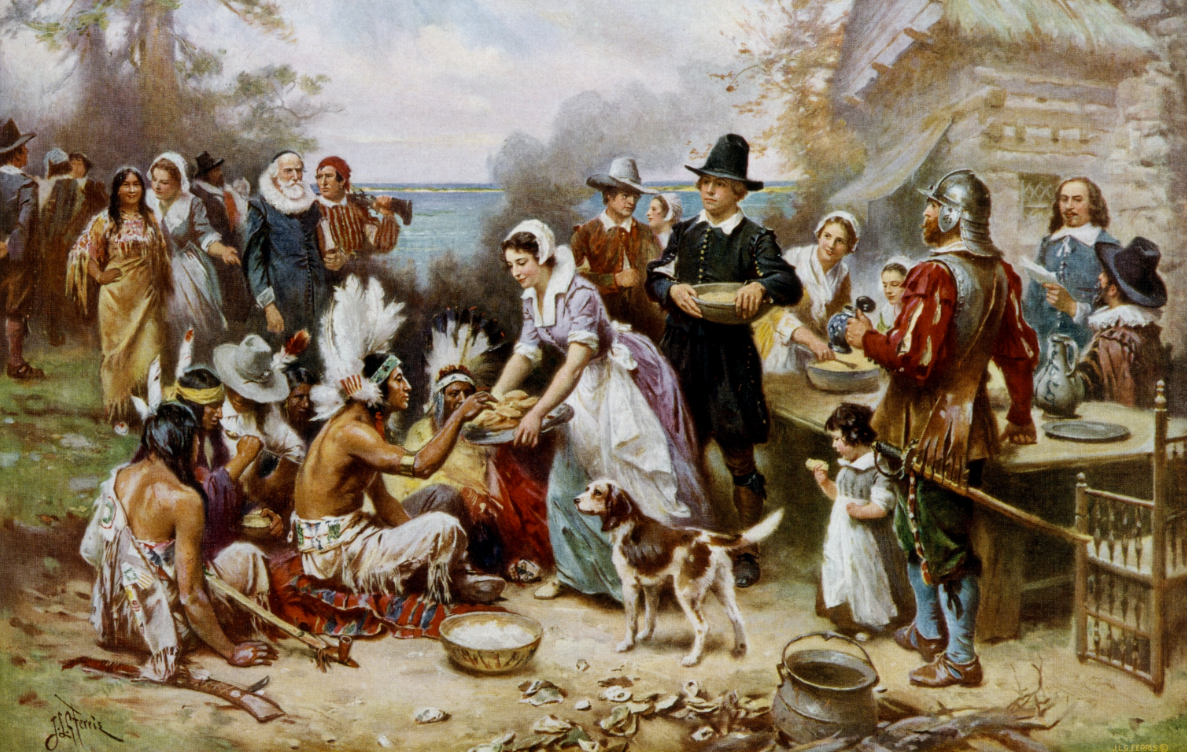
The most popular origin story of the American Thanksgiving dates back to 1621 in Plymouth, Massachusetts. The Pilgrims, who were English settlers, had endured a harsh winter that killed nearly half of their population. In the spring of 1621, a Native American named Squanto from the Patuxet tribe taught the struggling Pilgrims how to cultivate corn, extract sap from maple trees, catch fish in the rivers, and avoid poisonous plants.
Thanks to this help and a successful harvest in the autumn of 1621, the Pilgrims had enough food to prepare for the coming winter. To celebrate this bounty, Governor William Bradford organized a three-day feast. He invited their Native American allies, including the Wampanoag chief Massasoit and about 90 of his men. This event is now remembered as the "First Thanksgiving," a symbol of cooperation and gratitude between the two cultures.
It's important to note that this was not an official holiday at the time. Days of thanksgiving were sporadically celebrated by individual colonies and states for decades. It was President Abraham Lincoln who, in the midst of the Civil War in 1863, proclaimed a national Thanksgiving Day to be held each November, hoping to foster a sense of unity.
Modern Traditions and Celebrations
Today, Thanksgiving is a time for people to come together with family and friends. The celebrations are centered around several key traditions:
1. The Feast: The Centerpiece of Celebration
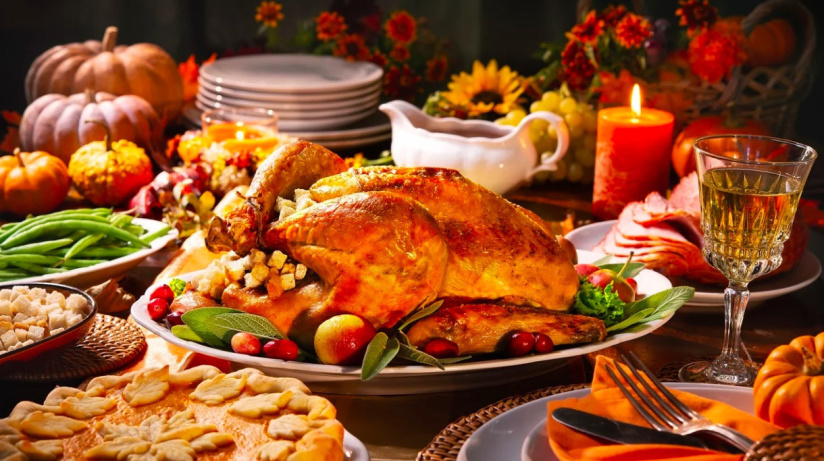
The Thanksgiving meal is the heart of the holiday. Tables are laden with delicious, hearty food. The classic menu includes:
- Roast Turkey: The undisputed star of the table.
- Stuffing: A savory bread mixture cooked inside the turkey.
- Mashed Potatoes and Gravy: A creamy, comforting staple.
- Cranberry Sauce: The sweet and tart accompaniment to the turkey.
- Sweet Potato Casserole: Often topped with marshmallows or pecans.
- Pumpkin Pie: The traditional dessert that caps off the meal.
2. Expressing Gratitude
Before the meal begins, many families pause to share what they are thankful for. This simple act reinforces the holiday's true meaning and fosters a sense of appreciation and connection among loved ones.
3. Watching the Macy's Thanksgiving Day Parade
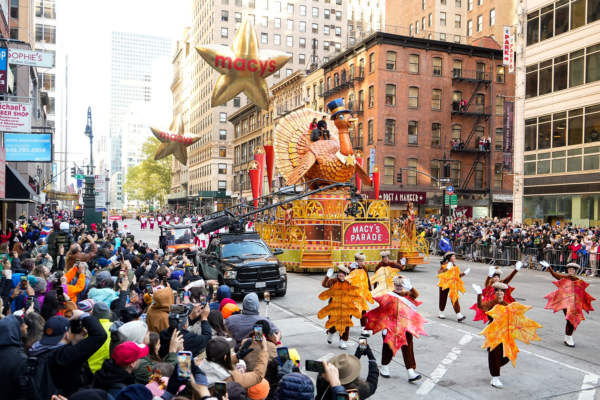
A beloved tradition for millions is watching the Macy's Thanksgiving Day Parade in New York City. Since 1924, the parade has featured giant character balloons, elaborate floats, marching bands, and performances, culminating with the arrival of Santa Claus, which unofficially marks the beginning of the Christmas season.
4. American Football
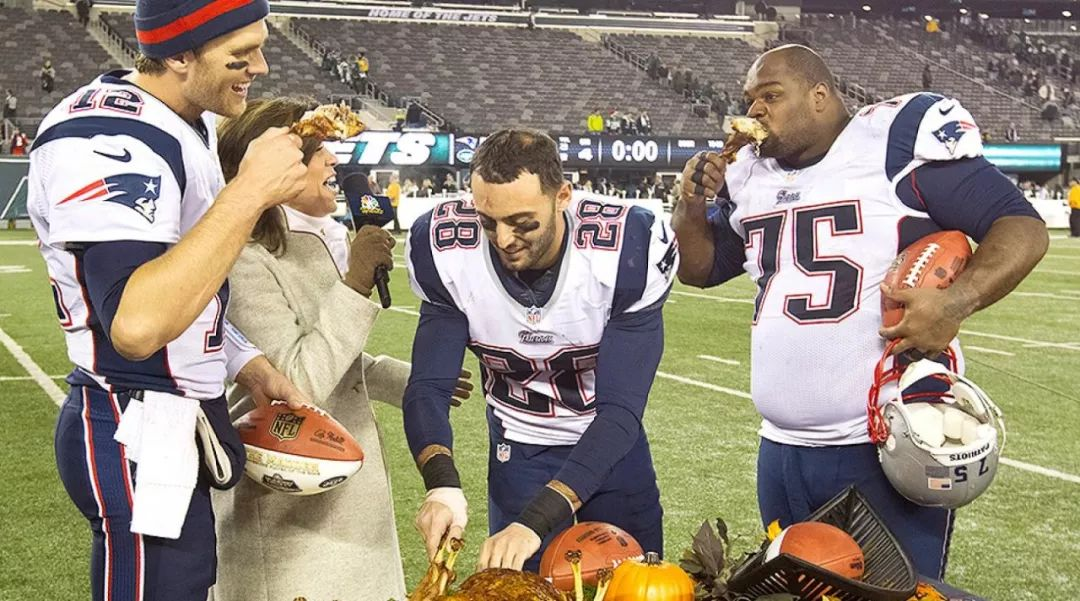
Football is deeply intertwined with Thanksgiving. Many families spend the afternoon watching NFL games on television. It's common for communities and families to also play a casual game of "touch football" in the backyard before the big meal.
5. Volunteering and Giving Back
To honor the spirit of gratitude and community, many people spend part of their day volunteering at local soup kitchens, food banks, or charity organizations, helping to provide a warm meal for those in need.
6. The Presidential Turkey Pardon
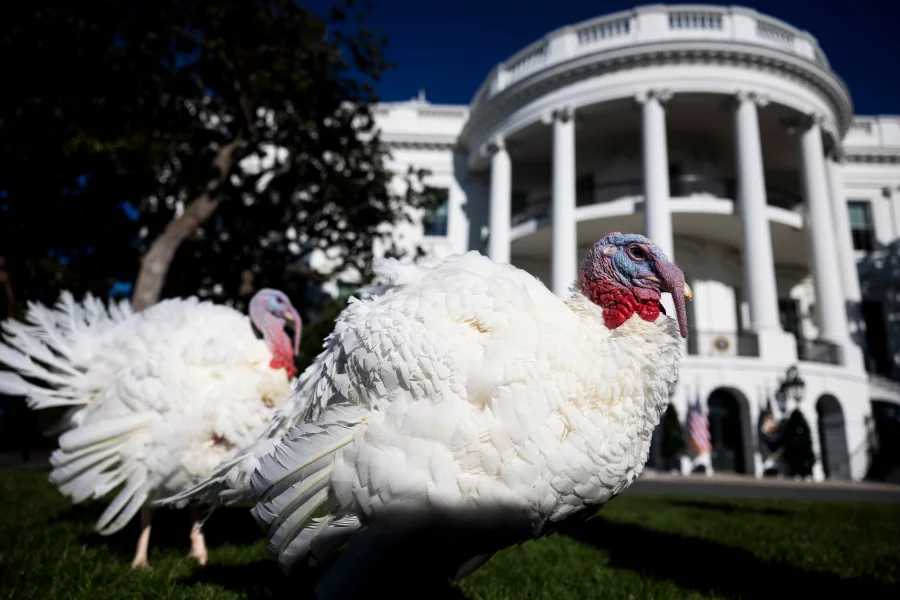
In a lighter, more humorous tradition, the President of the United States "pardons" a live turkey (and usually an alternate), sparing it from being eaten and sending it to a farm to live out its days.
A Day of Togetherness
While the food, parades, and football are iconic, the essence of Thanksgiving lies in its name: giving thanks. It is a day to slow down, appreciate the people in our lives, and reflect on the positive aspects of the past year. From its historical roots in cooperation to its modern-day celebrations of family and food, Thanksgiving remains a cherished holiday that warms the heart and home.