



In a world saturated with fast-paced digital entertainment, there is a quiet, enduring charm in wrestling with letters and words. Word puzzles are more than just a pastime; they are mental gymnastics, a playground for language lovers, and a delightful way to sharpen the mind. From the daily ritual of millions to the ink-smudged pages of newspapers, these games challenge our vocabulary, pattern recognition, and lateral thinking. Let’s delve into a few classic and captivating word puzzles that continue to stand the test of time.
1. The Crossword: The King of Conundrums
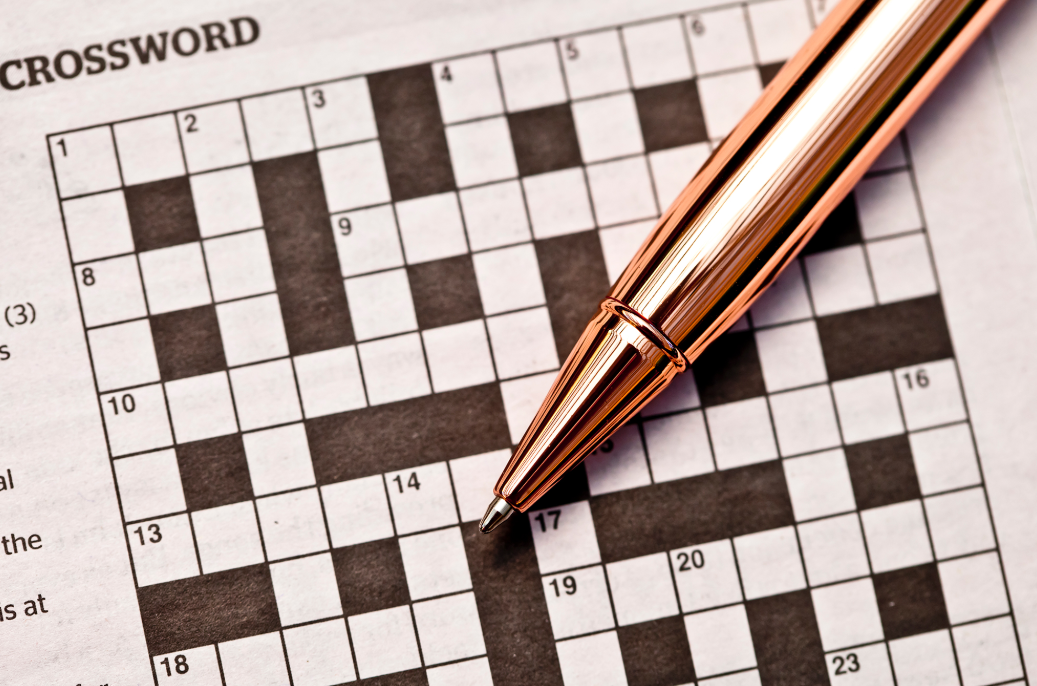
No list of word puzzles is complete without the crossword. Invented in 1913, it remains the undisputed champion. A grid of white and black squares beckons, with clues ranging from straightforward definitions (“Capital of France”) to clever puns and cryptic hints. Solving a crossword is a dance between knowledge and intuition. It rewards a broad vocabulary, general knowledge, and the ability to think about words from multiple angles. The satisfying “click” of filling in the final square is a unique thrill, a testament to patience and mental agility.
2. Wordle: The Modern Daily Obsession
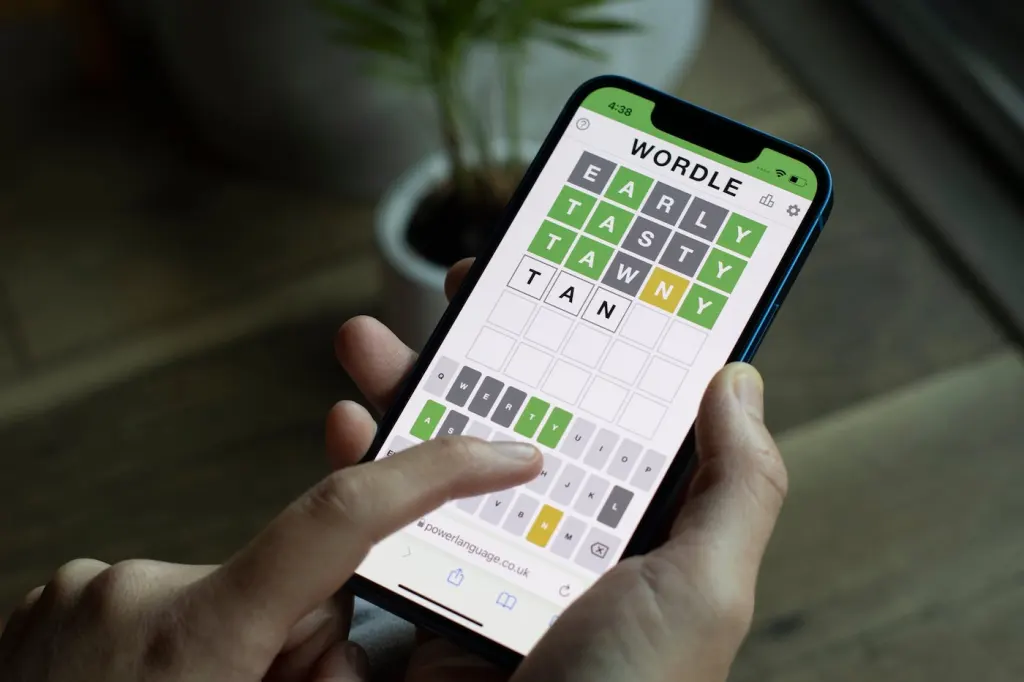
A recent phenomenon, Wordle took the world by storm with its elegant simplicity. The goal is deceptively straightforward: guess a five-letter word in six tries. After each guess, the tiles change color: yellow for a correct letter in the wrong place, green for a correct letter in the right place. This masterful use of feedback turns deduction into a compelling daily ritual. Wordle’s brilliance lies in its constraint and shareability—one puzzle a day, with no ads, creating a universal, communal brain-teasing experience.
3. Scrabble: The Strategic Tile Battle
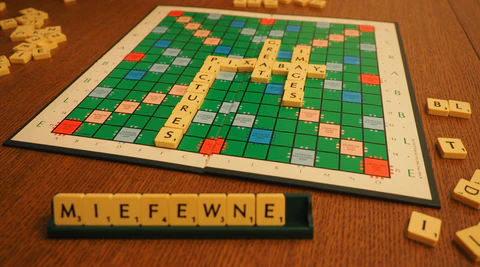
While technically a board game, Scrabble is, at its heart, the ultimate competitive word puzzle. Players draw letter tiles and take turns forming interconnected words on the board, like a crossword in creation. It tests not only your lexicon but also tactical skills: maximizing point values using premium squares, managing your letter rack, and blocking your opponent’s opportunities. It’s a thrilling mix of vocabulary depth, spatial strategy, and a little bit of luck.
4. The Cryptic Crossword: For the Linguistic Detective
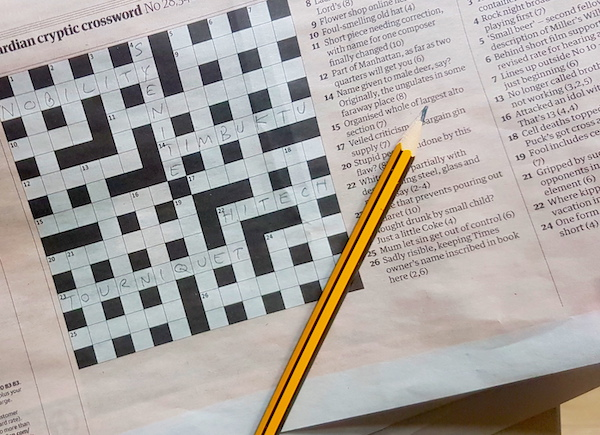
Consider the crossword’s more sophisticated, enigmatic cousin. A cryptic crossword clue is a puzzle in itself, usually containing a definition and a wordplay component. The wordplay could be an anagram (“Crazy red dance” for DANCER), a homophone (“Sounds like an old flame” for EMBER), or a cleverly hidden word. Solving one feels like cracking a secret code. It requires letting go of literal thinking and embracing playful, lateral associations, offering a deeply rewarding “Aha!” moment.
5. The Anagram: The Art of Rearrangement
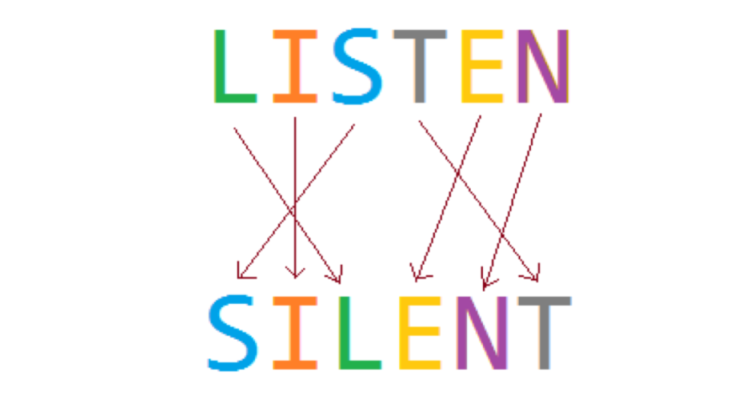
The anagram is a pure, fundamental word puzzle: rearranging the letters of a word or phrase to form a new one. From simple fun (like turning “listen” into “silent”) to elaborate phrases, anagrams train the brain to see beyond the surface order of letters. They are the building blocks of many other puzzles and a fantastic standalone exercise for improving cognitive flexibility and pattern recognition.
Why We Play: The Benefits Beyond Fun
Engaging with these puzzles is more than entertainment. They are a cognitive workout:
- Vocabulary Expansion: They expose you to new words and meanings.
- Memory Enhancement: Recalling words and facts exercises memory pathways.
- Problem-Solving Skills: They teach logical deduction and the consideration of multiple possibilities.
- Mental Agility: Switching between different clue types or strategies keeps the brain nimble.
- Mindful Focus: They offer a screen-free zone of deep concentration, reducing stress and providing a sense of accomplishment.
In essence, word puzzles are a celebration of language and logic. They invite us to play with the very tools we use to communicate and understand the world. So, whether you’re pondering a cryptic clue over morning coffee, strategizing your next triple-word score, or sharing your yellow-and-green Wordle grid, you’re participating in a timeless tradition of mental fitness and linguistic joy. Pick up a puzzle today—your brain will thank you for the playtime.