



Playing cards, a ubiquitous form of entertainment and gaming across the globe, boast a rich and complex history that spans centuries and continents. Their journey from ancient origins to modern design reflects cultural exchanges, artistic evolution, and technological advancements.
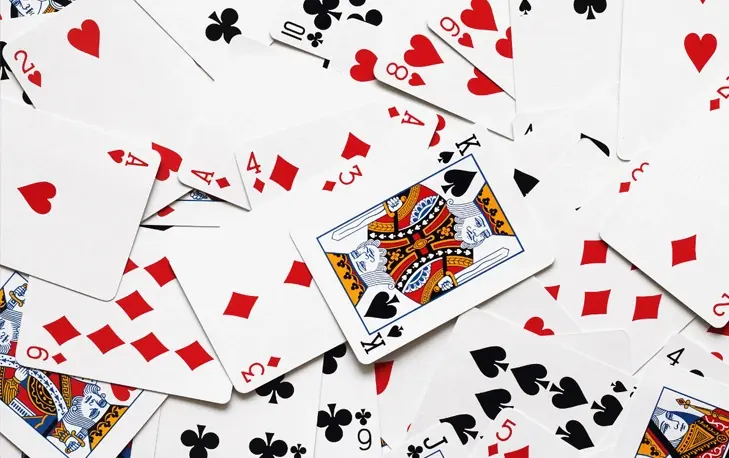
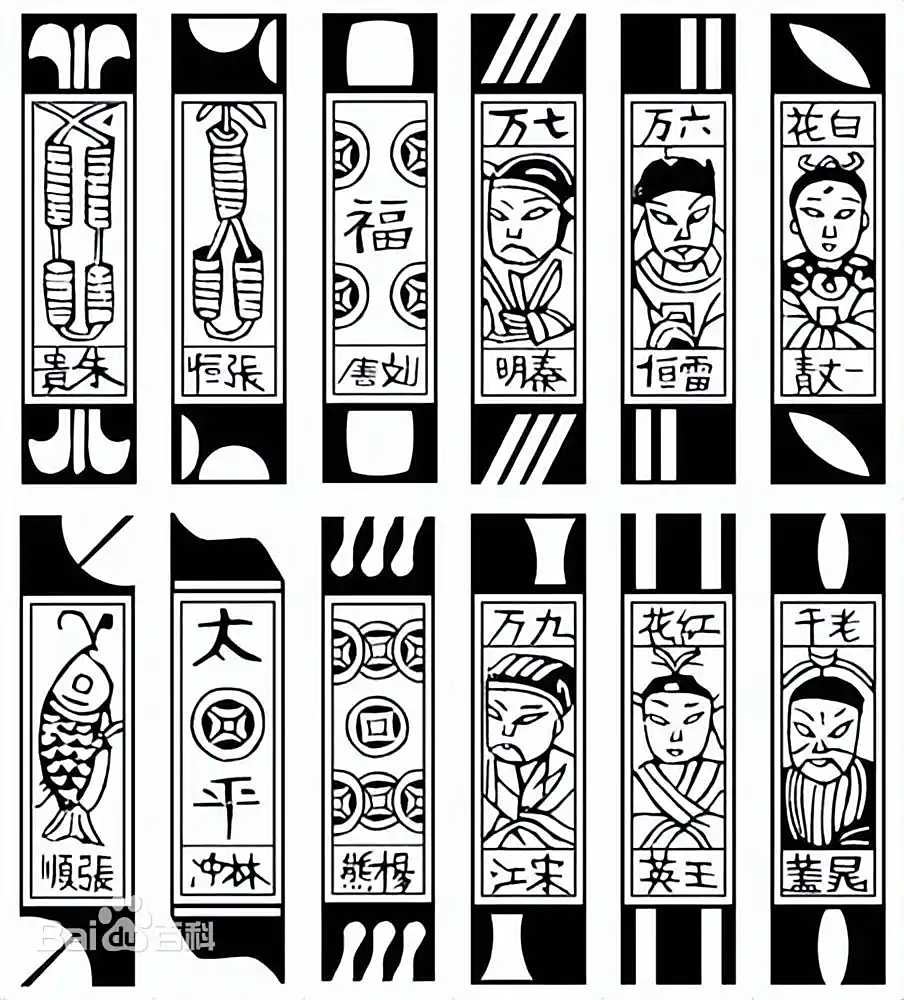
The exact origins of playing cards remain shrouded in mystery, but most historians trace their beginnings to 9th century China during the Tang Dynasty. Early prototypes were likely derived from paper dominoes or currency-based games. These cards, known as "money cards," featured suits representing coins, strings of coins, myriads (tens of thousands), and tens of myriads. They gradually spread along trade routes, reaching the Middle East and Egypt by the 12th century.
It was in the Islamic world, particularly through the Mamluk Sultanate of Egypt, that the deck began to take a more familiar shape. Mamluk cards from the 13th century featured 52 cards with four suits: polo sticks, coins, swords, and cups. Each suit contained ten numeral cards and three court cards: the King (Malik), the Viceroy (Na'ib Malik), and the Second Viceroy (Thani Na'ib). Notably, these cards forbade human representation due to religious doctrine, so the court figures were depicted abstractly or through calligraphy.
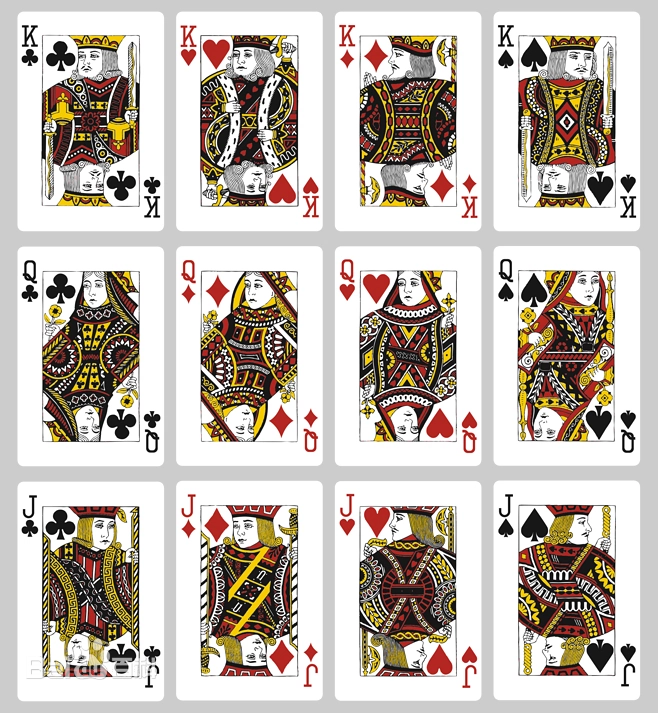
Playing cards entered Europe in the late 14th century, likely via Italian merchants or through the Iberian Peninsula. Their arrival was rapid and transformative. European card makers quickly replaced the Islamic suits with culturally resonant symbols, leading to the diverse suit systems seen regionally: Latin suits (cups, coins, swords, and clubs) in Italy and Spain, Germanic suits (hearts, bells, leaves, and acorns) in Germany, and French suits (clubs, spades, hearts, and diamonds) which would eventually become the international standard.
The 15th century saw the rise of hand-painted, luxurious decks for aristocracy, with artists creating intricate court cards often featuring portraits of contemporary royalty or mythological figures. The invention of woodblock printing in the same century democratized card playing, making decks cheaper and more widely available. The French simplification of court cards into Jack, Queen, and King, and the adoption of the symmetric, reversible card design in the 18th century, were crucial steps toward standardization.
The 19th century Industrial Revolution cemented the modern deck. Advances in printing, paper production, and the introduction of corner indices and varnished surfaces made cards durable, uniform, and easily readable. The iconic design of the English pattern (or Anglo-American pattern), with its specific court characters, was perfected and exported worldwide by companies like the United States Playing Card Company (USPCC), maker of the famous Bicycle, Bee, and Tally-Ho brands.
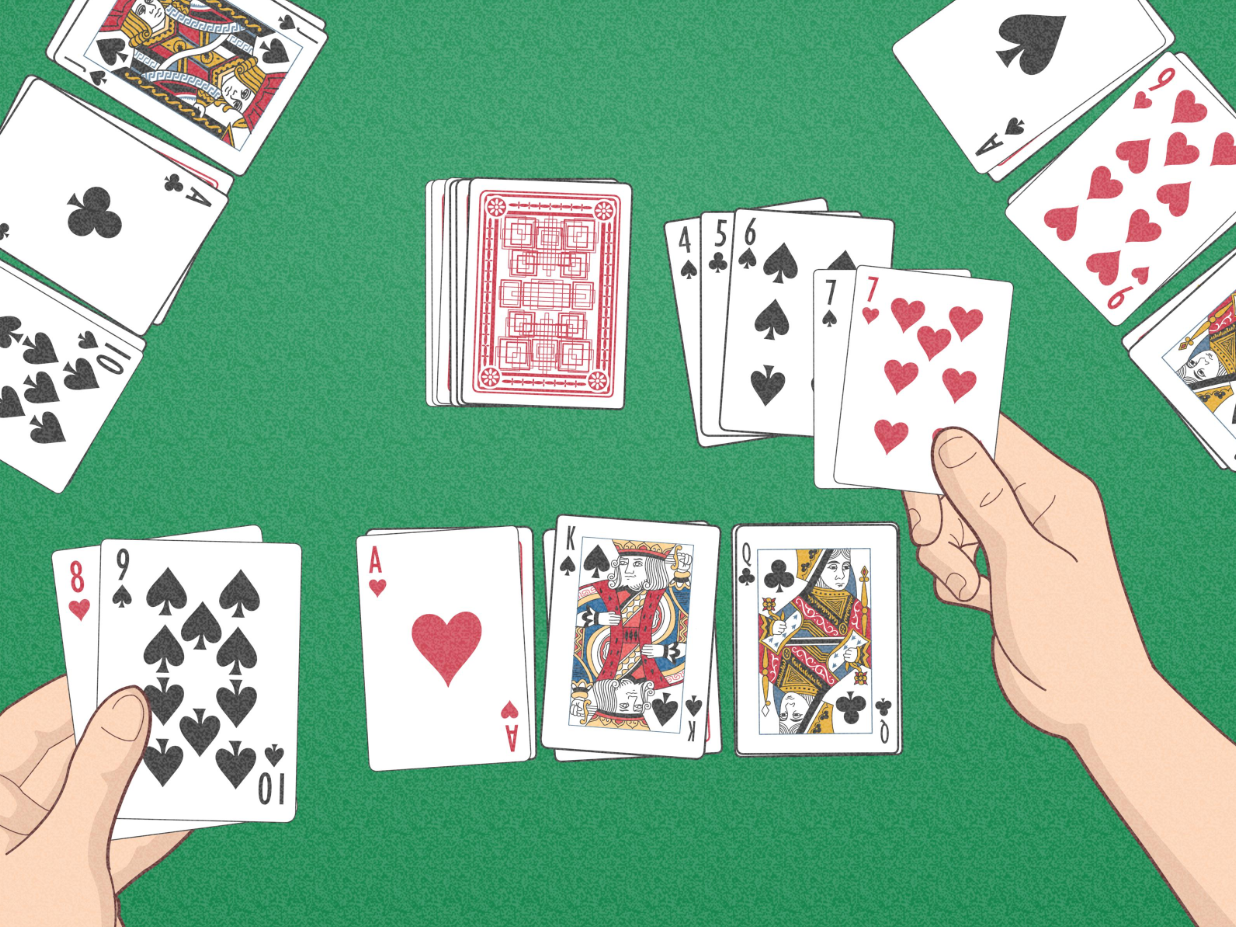
Today, playing cards serve far beyond traditional games like Poker or Bridge. They are tools for magic, cardistry (the art of card manipulation), education, advertising, and collectible art. Custom deck design has exploded in popularity, with artists reimagining every element while adhering to the standard 52-card format. The digital age has further expanded their reach through online gaming platforms and virtual card games.
From their enigmatic beginnings in ancient China to their status as a global cultural staple, playing cards are a testament to human creativity and social interaction. More than just tools for games, they are miniature canvases that have carried the artistic, social, and technological imprints of every era they have passed through. Their evolution is far from over, as they continue to adapt and thrive in both physical and digital realms.