



For over a century, a simple grid of black and white squares has challenged minds, enriched vocabularies, and become a daily ritual for millions. The crossword puzzle, a cornerstone of modern puzzle culture, boasts a history as intricate and interlocking as its own design. Its journey from a humble newspaper filler to a global intellectual pastime is a fascinating tale of innovation, serendipity, and enduring appeal.
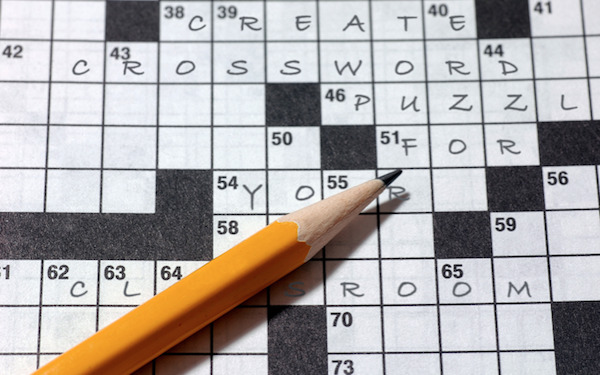
The Birth of a Brainchild: A "Word-Cross" in New York
The crossword puzzle as we know it was born on a quiet Sunday in December 1913. Arthur Wynne, a journalist from Liverpool working for the New York World, needed a new feature for the newspaper's "Fun" section. Drawing inspiration from Victorian word games like acrostics and magic squares, he designed a diamond-shaped grid with numbered clues and called it a "Word-Cross." Published on December 21, 1913, this first puzzle featured simple clues and a central void. Its immediate, though modest, success led to its weekly publication. A typesetting error soon transposed the title to "Cross-Word," and the new name stuck.
For the next decade, crosswords remained a charming eccentricity, primarily confined to the New York World. Their audience was a dedicated but niche group. The puzzle’s design evolved—the diamond shape gave way to the now-familiar rectangular grid, and the symmetrical black-square pattern was standardized to create a more aesthetically pleasing and functional layout.
The Crossword Craze of the 1920s: A National Phenomenon
The puzzle's trajectory changed forever in 1924. Two young entrepreneurs, Richard Simon and Max Schuster, looking to launch their new publishing house, Simon & Schuster, gifted a book of crossword puzzles compiled from the New York World to their aunt. Her enthusiastic obsession sparked an idea. They published The Cross Word Puzzle Book—the world's first crossword book—complete with a pencil attached to it. It was an instant, runaway success, selling hundreds of thousands of copies and igniting a nationwide craze.
By the mid-1920s, America was in the grips of "crossword mania." Newspapers scrambled to feature their own puzzles; libraries reported a surge in dictionary thefts; and the New York Times even lamented the puzzle as a "sinful waste" of time (a stance it would famously reverse in 1942). The craze transcended entertainment, influencing fashion, music, and even theater. It had become a cultural touchstone.
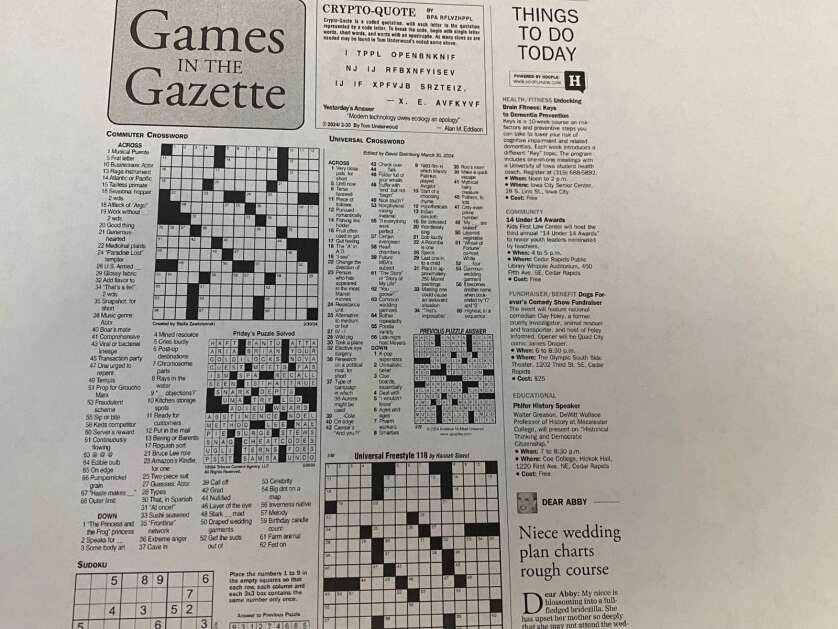
Refinement and Diversification: From Newspapers to Global Grids
Following the initial frenzy, the crossword matured. Key to its sophistication was the establishment of rigorous construction standards—symmetry, all-over interlock, and the avoidance of obscure vocabulary in favor of clever wordplay and general knowledge. Margaret Petherbridge Farrar, the first crossword editor for the New York World and later the New York Times, was instrumental in codifying these rules, elevating the puzzle from a casual diversion to a respected craft.
The New York Times, initially a holdout, finally launched its now-legendary crossword in 1942 under Farrar's editorship. Its stated aim was to offer a distraction during the grim days of World War II. The Times puzzle soon set the gold standard for difficulty and cleverness, with its trademark progression from easier Monday puzzles to the notoriously challenging Saturday grid.
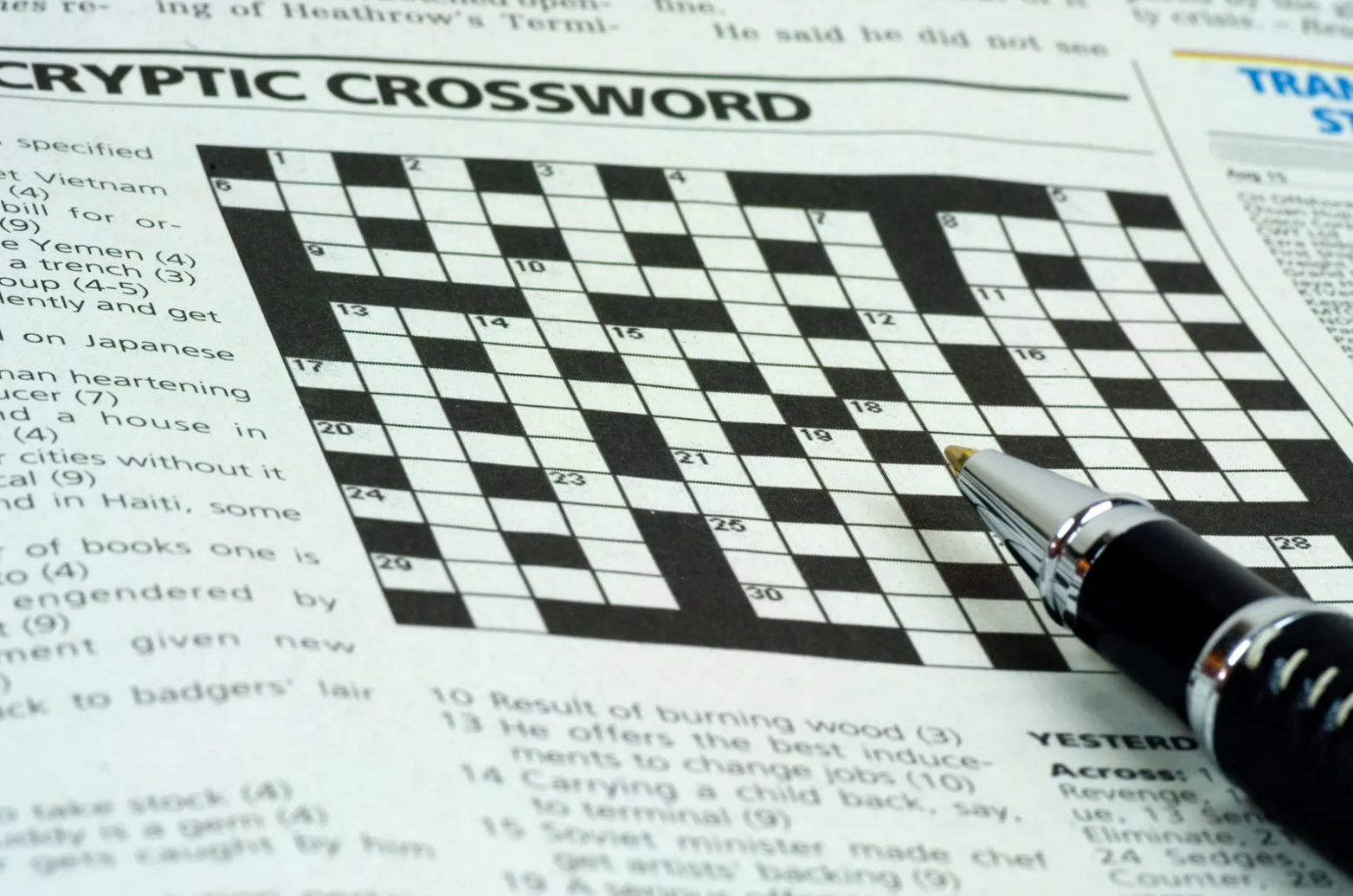
British crosswords developed a distinct flavor, championed by The Times of London from 1930 onward. They became known for cryptic clues—a form of witty, often pun-based clueing where the surface meaning disguises a linguistic riddle (e.g., "Anagram of 'listen'" for "silent"). This style emphasized lateral thinking over pure knowledge.
The Digital Revolution and the Future of the Grid
The late 20th and early 21st centuries saw the crossword conquer new frontiers. Computer software revolutionized construction, allowing for more complex and creative grids. The internet democratized access, with countless puzzles available online daily. Platforms like the New York Times app created global communities of solvers who compete on leaderboards.
Today, the crossword universe is more diverse than ever. It spans from quick, accessible puzzles in local papers to niche variants like diagramless, pangrammatic, and themeless puzzles. It has inspired successful spin-offs like Scrabble and Wordle. Podcasts, documentaries, and annual competitions like the American Crossword Puzzle Tournament celebrate its culture and community.
An Enduring Enigma
From Arthur Wynne's experimental "Word-Cross" to the daily digital challenge on our smartphones, the crossword puzzle has demonstrated a remarkable ability to adapt and endure. It is more than just a game; it is a mental gymnasium, a cultural barometer, and a shared linguistic ritual. Its empty squares continue to symbolize not just a challenge to be filled, but an invitation to curiosity, learning, and the simple, timeless joy of finding the right word. In an ever-changing world, the crossword remains a constant—a beloved labyrinth of letters waiting to be solved.