



Christmas, celebrated annually on December 25th, is more than just a holiday marked on calendars worldwide. It is a vibrant tapestry woven from threads of ancient history, profound religious faith, and evolving cultural traditions. At its heart, Christmas is a season of light, hope, and communal joy—a time when families gather, generosity abounds, and familiar customs connect us to the past while creating new memories for the future.
The Historical and Religious Origins
The story of Christmas begins over two millennia ago with its religious core: the celebration of the birth of Jesus Christ, whom Christians believe to be the Son of God. The nativity narrative, described in the Gospels of the New Testament, tells of Jesus' humble birth in Bethlehem to Mary and Joseph, announced by angels and witnessed by shepherds and wise men.
Interestingly, the choice of December 25th as the date for this celebration is linked to earlier traditions. In the ancient Roman world, late December hosted the festival of Saturnalia, a time of feasting and role reversal, and Dies Natalis Solis Invicti (the birthday of the "Unconquered Sun"), which celebrated the winter solstice and the gradual return of sunlight. By the 4th century, as Christianity became the Roman Empire's state religion, church leaders designated December 25th to commemorate Christ's birth. This strategic alignment allowed the new faith to absorb and transform existing pagan festivals, offering a fresh theological meaning: the birth of Jesus as the arrival of the "light of the world," displacing the old sun god.
Cherished Customs and Their Meanings
Over centuries, Christmas has accumulated a rich array of customs that blend the sacred and the secular.
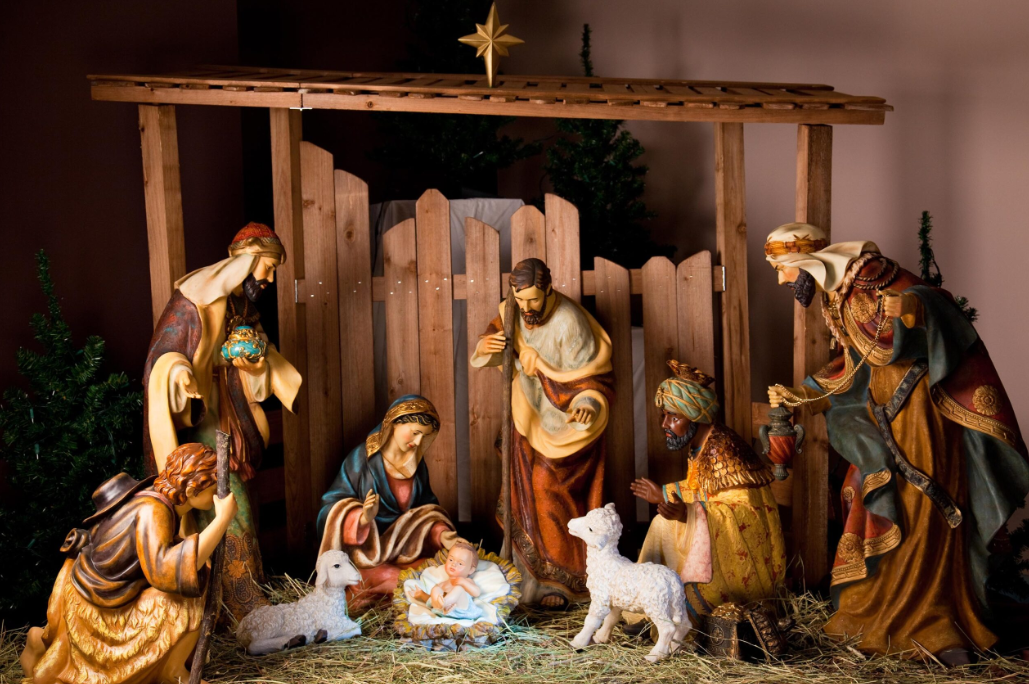
- The Nativity Scene and Church Services: For many, the spiritual center of Christmas is the Nativity scene (or crèche), a physical depiction of the holy family in the stable. Attending Midnight Mass or Christmas Day church services remains a cornerstone tradition for Christians globally.
- The Christmas Tree: This iconic symbol’s origins are often traced to 16th-century Germany, where devout Christians brought decorated evergreen trees into their homes. The practice gained global popularity in the 19th century, spearheaded by Britain's Queen Victoria and her German husband, Prince Albert. The evergreen symbolizes enduring life and hope amidst winter's darkness.
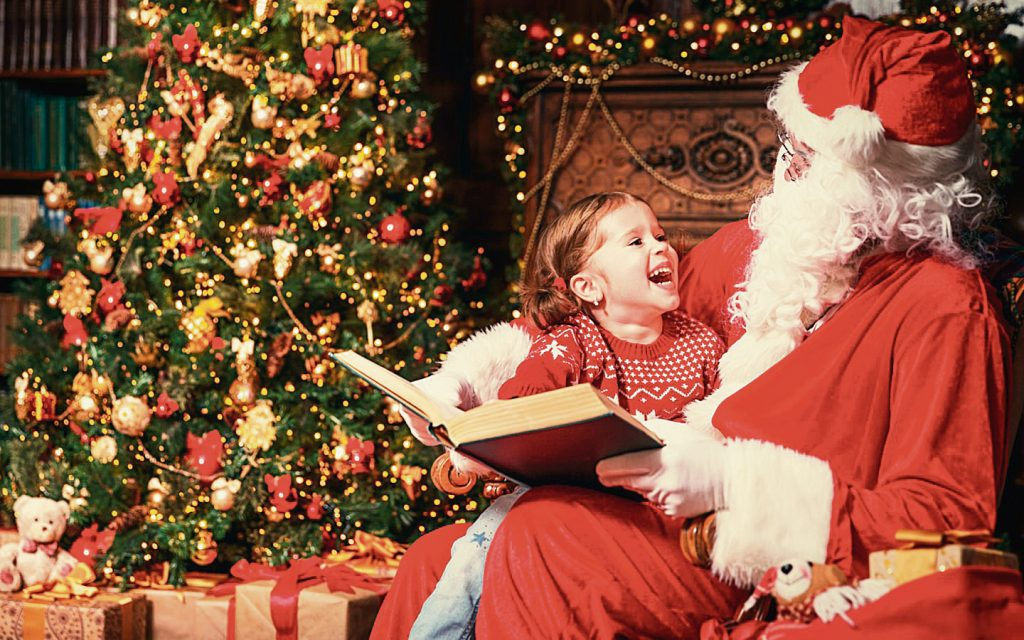
- Gift-Giving and Santa Claus: The tradition of exchanging gifts echoes the gifts of gold, frankincense, and myrrh presented by the Magi to the infant Jesus. The modern figure of Santa Claus is a fusion of the historical Saint Nicholas, a 4th-century Greek bishop known for his secret generosity, and later folklore figures. His current image—a jolly, red-suited man from the North Pole—was solidified in the 19th and 20th centuries through poems, illustrations, and advertising.
- Feasting and Caroling: The Christmas feast is a universal tradition, with menus varying by culture—from roast turkey and ham in the U.S. and U.K. to tamales in Latin America and Kūčios in Lithuania. Caroling, or singing festive songs from door to door, has its roots in medieval communal singing and continues to spread cheer.
A Tapestry of Global Celebration
While sharing common themes, Christmas traditions beautifully reflect local cultures:
- In Mexico and parts of Latin America, the celebration centers on Las Posadas (December 16-24), a nightly procession reenacting Mary and Joseph's search for shelter.
- In Japan, a uniquely modern tradition has emerged: enjoying a festive meal of fried chicken from KFC, a custom born from a highly successful 1970s marketing campaign.
- In the Philippines, home to the world's longest Christmas season, the dawn Simbang Gabi (Night Masses) from December 16-24 are a deep-rooted spiritual practice.

From its ancient roots to its modern, globally recognized form, Christmas endures as a powerful cultural force. It is a holiday that masterfully intertwines solemn religious observance with lighthearted secular festivity, inviting everyone—regardless of faith—to partake in its messages of peace, goodwill, and renewed hope. Whether through the quiet reflection of a candlelit service, the excited laughter of children on Christmas morning, or the shared warmth of a family meal, the spirit of Christmas continues to illuminate the darkest time of the year, reminding us of our shared humanity.