



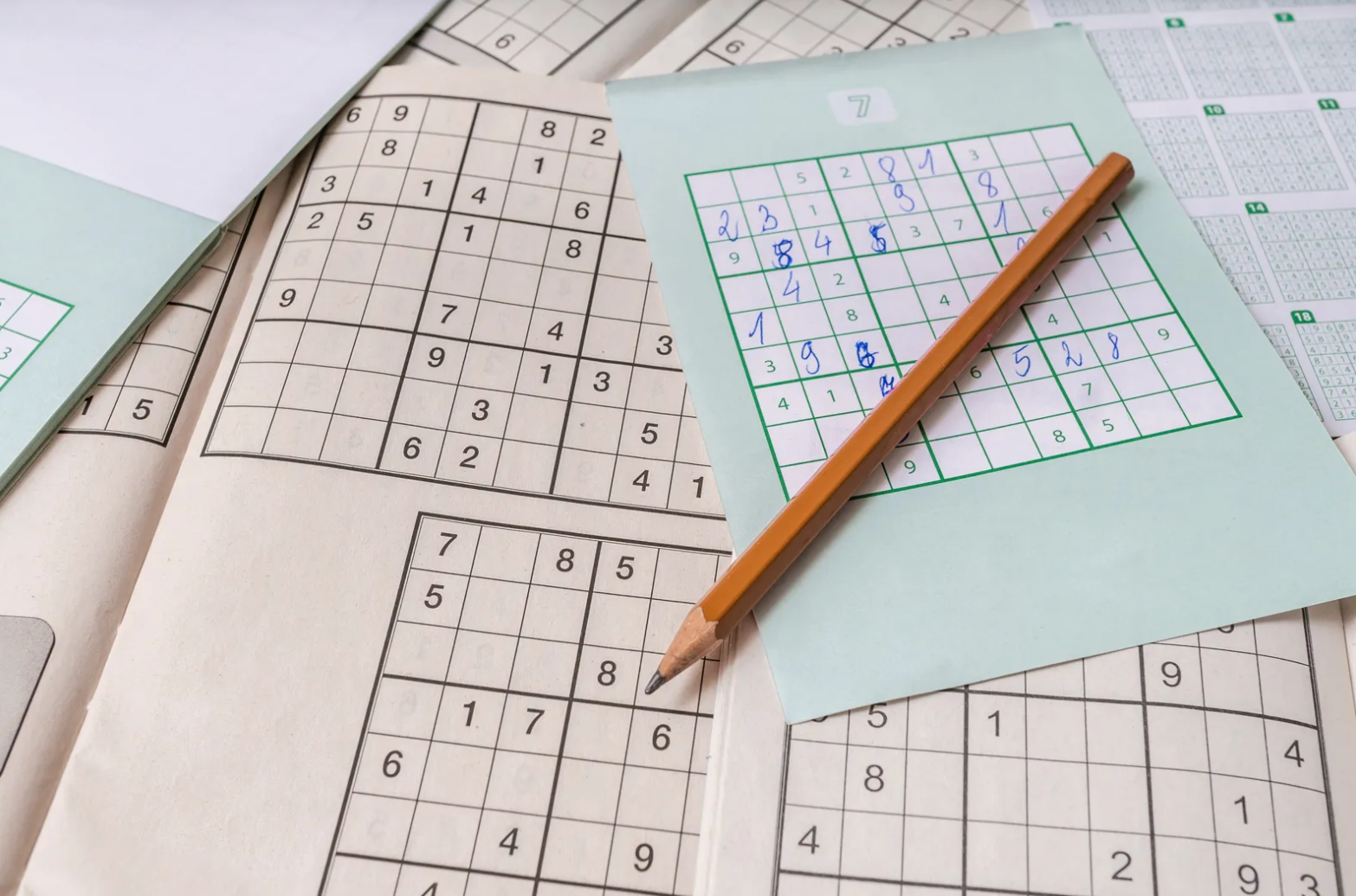
At first glance, Sudoku appears to be a simple grid of numbers—a quiet, solitary pastime often spotted on morning commutes or in waiting rooms. Yet beneath its deceptively straightforward surface lies a powerful mental workout, offering a remarkable array of cognitive and emotional benefits that extend far beyond filling empty squares.
The most celebrated advantage of Sudoku is its profound impact on brain health and cognitive function. Playing Sudoku regularly is like taking your brain to the gym. It primarily strengthens logical reasoning and critical thinking. Each puzzle is a web of interconnected possibilities, requiring you to analyze the grid, spot patterns, and deduce the only logical placement for each number. This process reinforces neural pathways associated with problem-solving and structured analysis. Furthermore, it is a superb exercise for improving concentration and attention to detail. In a world saturated with distractions, Sudoku demands sustained, focused attention. One missed clue or hasty assumption can lead to a dead end, training the mind to stay present and meticulous. Studies also suggest that engaging in such mentally stimulating activities can aid in enhancing memory and recall, as players must hold multiple number possibilities and their consequences in their working memory simultaneously. Some long-term research even indicates that frequent engagement with puzzles like Sudoku may contribute to maintaining cognitive agility as we age, potentially delaying the onset of cognitive decline by keeping the brain active and challenged.
Beyond sheer brainpower, Sudoku offers significant psychological rewards. There is a unique and palpable sense of accomplishment and satisfaction that comes from placing that final number and completing the grid. This small victory releases dopamine, the brain's "reward chemical," boosting mood and motivation. The puzzle also provides a valuable form of stress relief and mental escape. The act of focusing entirely on the logical structure of the grid creates a state of "flow," where daily worries and background anxiety fade away. This mindful engagement can be a form of active meditation, calming the mind. Additionally, by tackling puzzles of increasing difficulty, players build resilience and patience. Sudoku teaches that hitting a wall is part of the process; the solution lies in stepping back, re-evaluating, and trying a new strategy—a valuable lesson in perseverance applicable to everyday life.
Finally, Sudoku’s benefits are beautifully accessible. It is a portable and low-cost hobby requiring only a puzzle book or a free app, making it easy to incorporate into any daily routine. Whether you spend five minutes or an hour, it provides a consistent and convenient mental break. Moreover, while often played solo, it fosters a sense of community. Millions of enthusiasts worldwide share strategies, compete on solving times, and bond over their appreciation for the game’s elegant logic.
In conclusion, Sudoku is much more than a number game. It is a comprehensive mental discipline that sharpens the intellect, soothes the mind, and builds valuable life skills. The next time you pick up a Sudoku puzzle, remember: you are not just passing time—you are investing in the health and agility of your most important organ, one square at a time.