



For millions of people around the world, their first encounter with personal computing wasn’t with spreadsheets or word processors, but with a deck of digital cards, a field of hidden mines, or a race down a twisting track. The classic games bundled with Microsoft Windows—Solitaire, Minesweeper, and Hearts—are far more than simple distractions. They are cultural touchstones, stealth learning tools, and quiet companions that defined an era of computing.
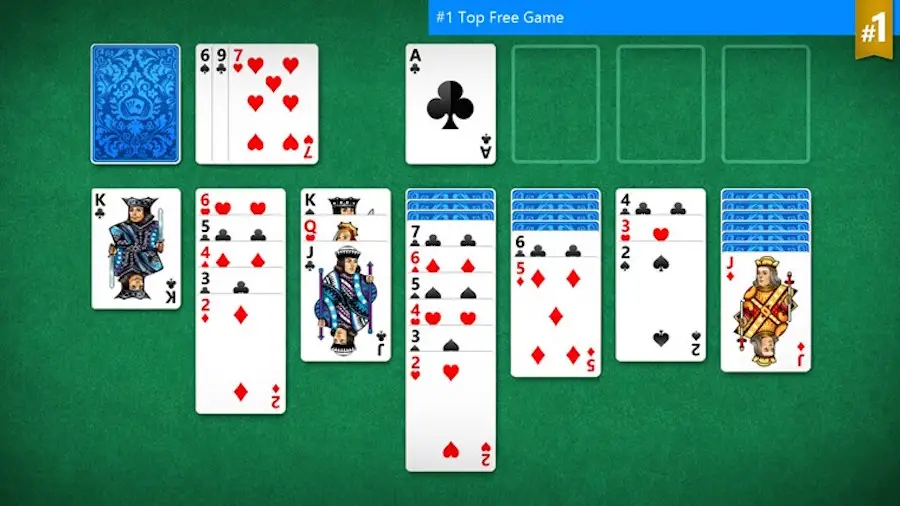
The most iconic of them all is undoubtedly Solitaire. Bundled with Windows 3.0 in 1990, its mission was deceptively simple: to teach users how to master the mouse. In an age where the graphical user interface was still novel, Solitaire provided a gentle, engaging tutorial in the essential skills of clicking, dragging, and dropping. Its success was monumental. For many, it was the first program they ever opened, transforming a daunting machine into a source of leisure. The soft shuffling sound of the cards and the satisfying cascade of a completed suit became the unofficial soundtrack of offices and homes worldwide, a guilty pleasure disguised as a mouse proficiency test.
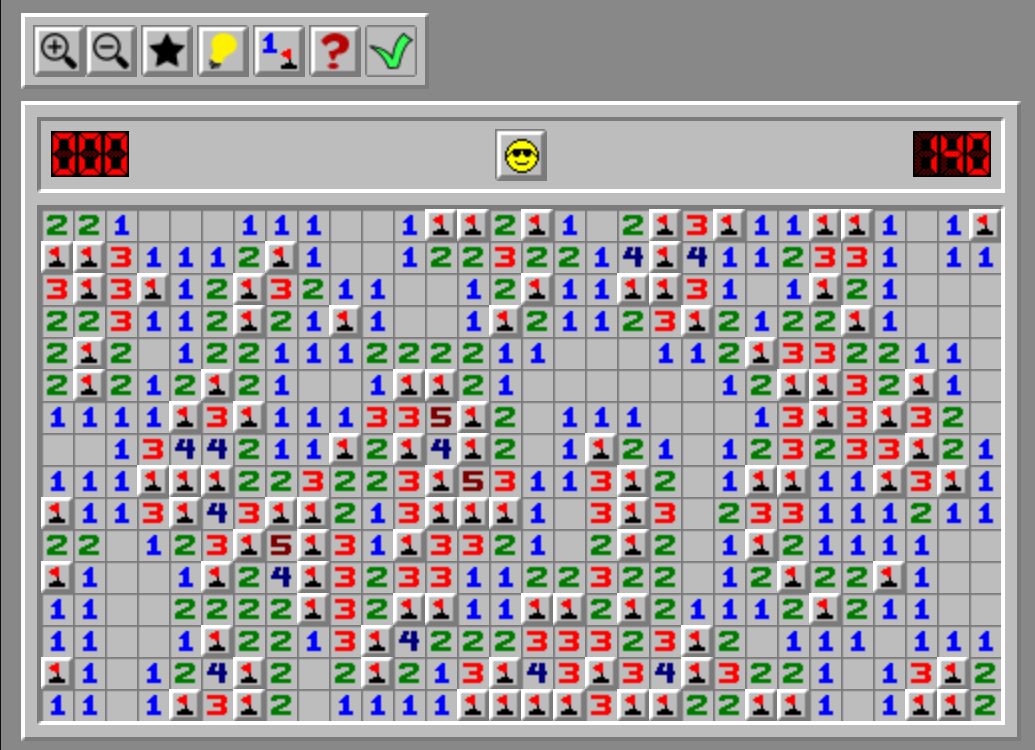
Then came the cerebral challenge of Minesweeper. This game of logic and deduction presented a grid of grey squares, hiding a deadly array of mines. By clicking squares to reveal numbers—each indicating adjacent mines—players had to deduce safe spots and mark hazards with little flags. It was a perfect puzzle, training minds in pattern recognition, probability, and strategic thinking. The moment of tension with the first click, the thrill of a complex deduction, and the agony of an unlucky guess created a uniquely compelling experience. It proved that deep, intellectually satisfying gameplay could exist within the simplest of interfaces.
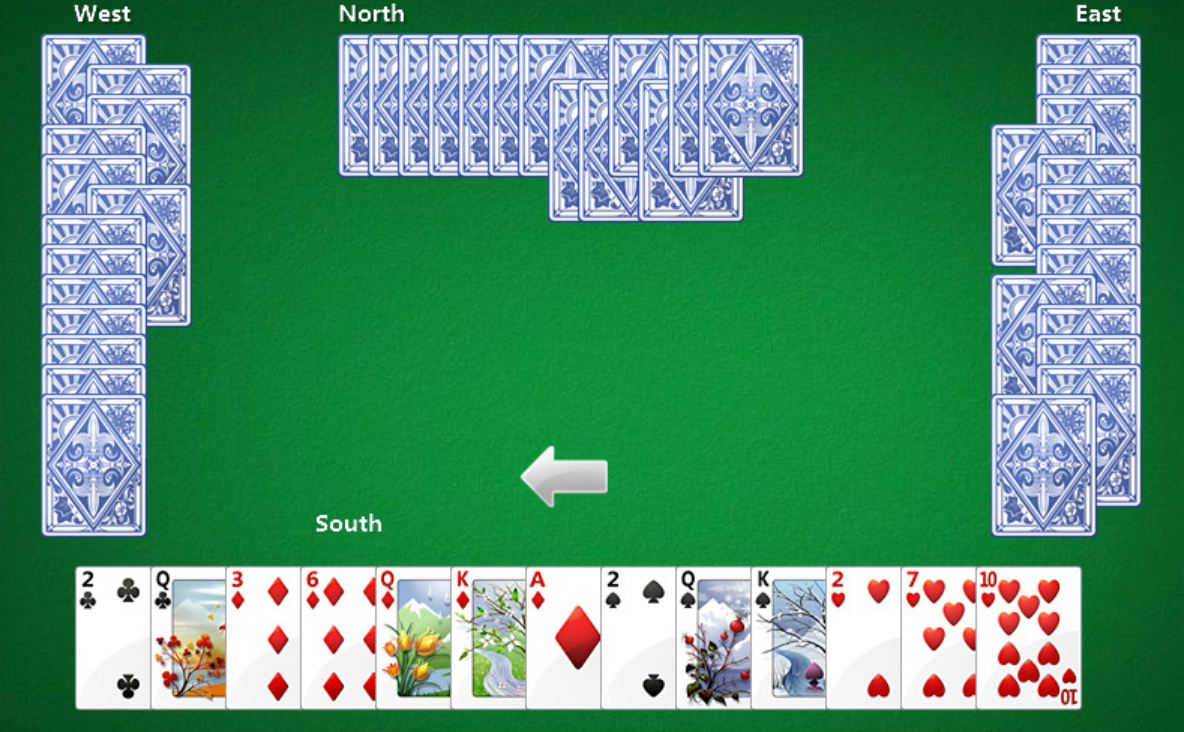
For a more social experience, Windows offered Hearts. This digital adaptation of the classic card game allowed users to play against three computer-controlled characters with distinct personalities, like the mischievous “Lucy.” It introduced many to the rules and strategies of a multiplayer card game, offering a taste of social gaming long before widespread internet connectivity. The passive-aggressive chat messages from virtual opponents ("Thanks for the Queen!") added a layer of personality, making the solitary act of playing against AI feel surprisingly interactive.
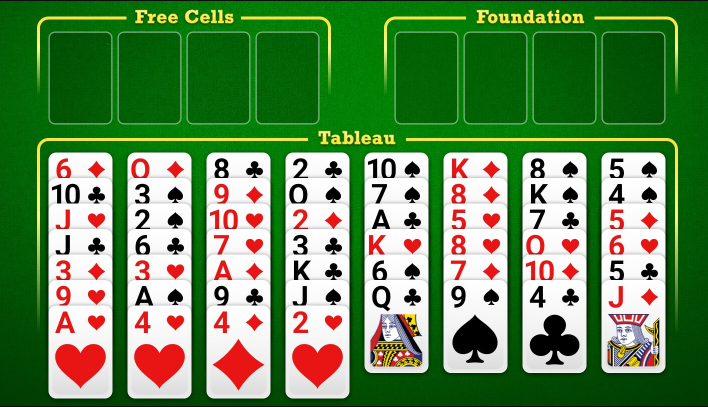
Later, the Windows Entertainment Pack introduced gems like FreeCell (a solitaire variant with a near-perfect solvability rate that became a logic obsession for many) and the frantic puzzle game Chip's Challenge. But perhaps the most significant late-era classic was Pinball, which showcased the growing graphical capabilities of Windows, offering a visually rich and physics-based diversion.
These games served a crucial, often unstated purpose. They were digital comfort food, providing a familiar, low-stakes escape during work breaks or moments of downtime. They required no manuals, no installations, and were always just a click away in the Start Menu. In doing so, they democratized gaming, making it an integral part of the daily computer experience for people of all ages and backgrounds.
While they are no longer pre-installed on modern versions of Windows, the legacy of these classics is undeniable. They shaped our interaction with technology, taught us skills we didn’t know we were learning, and provided countless hours of quiet engagement. Today, their spiritual successors live on in mobile apps and digital storefronts, but for those who experienced them in their original context, they remain powerful reminders of a simpler digital dawn—where a world of fun was hidden just beneath the surface of a working desktop.